

News
Inspiring Webinar on Unconscious Bias in Science Held by AE Budapest Hub
The fifth online event as part of the Empowering women in science within Europe with emphasis on the Danube Region project was a success
On 5 June 2026, the Academia Europaea Budapest Knowledge Hub successfully hosted an engaging online webinar titled “Unconscious bias: how it impacts careers in science and how to mitigate this influence.” The event was organised within the framework of the Empowering Women in Science within Europe, with emphasis on the Danube Region initiative.
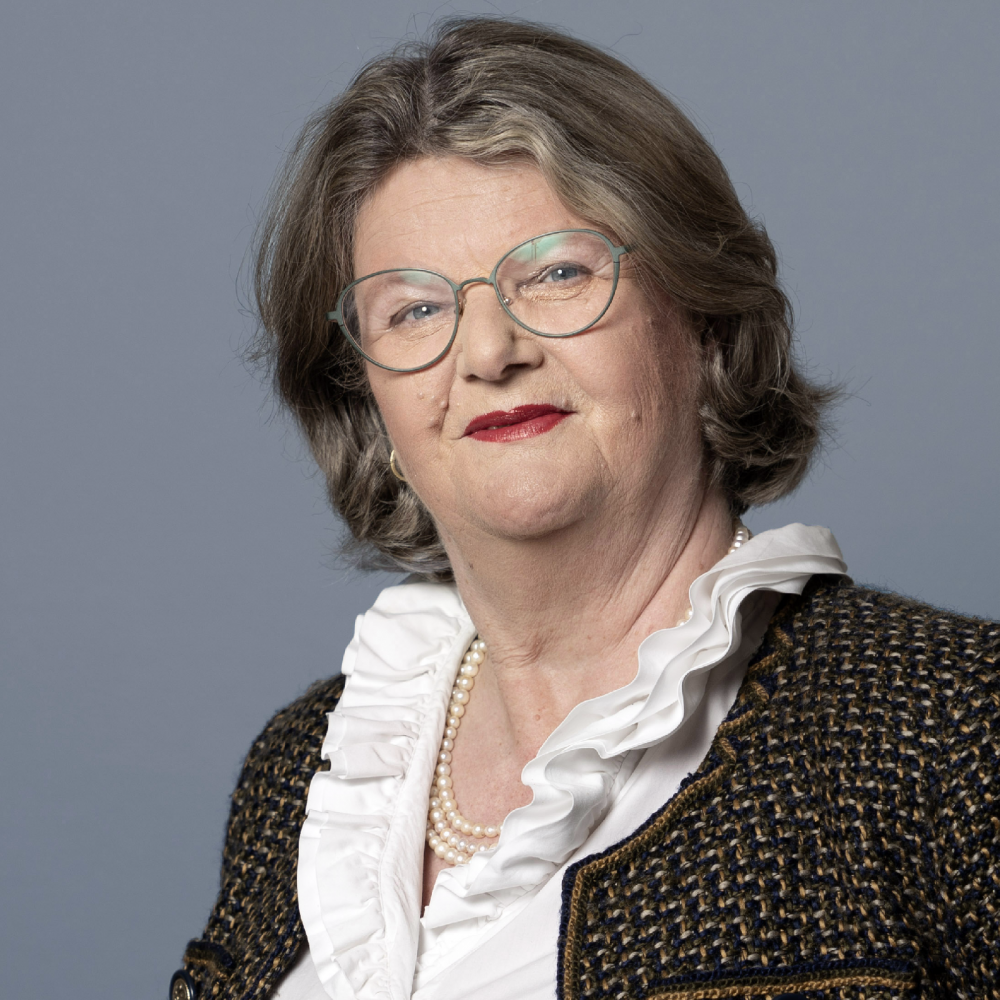
The lecture was delivered by Prof. Dr. Petra Rudolf (Zernike Institute for Advanced Materials, University of Groningen, Member of Academia Europaea), who provided an inspiring and thought-provoking presentation to an international audience of researchers and academics.
The one-hour event was characterised by an excellent and interactive atmosphere, reflecting both the relevance of the topic and the strong engagement of participants. Prof. Rudolf’s talk offered a comprehensive overview of how unconscious bias continues to shape academic careers, often in subtle yet impactful ways.
The lecture addressed four central forms of bias frequently observed in scientific environments: performance bias, performance attribution bias, maternal bias, and the competence–likeability trade-off. These mechanisms influence hiring, evaluation, promotion, and everyday interactions in academia, contributing to persistent inequalities despite formal commitments to fairness and merit.
Drawing on empirical studies and real-life examples, Prof. Rudolf illustrated how even small biases can accumulate over time and significantly affect career trajectories. The presentation also highlighted structural challenges, including gender imbalances across academic career stages and the persistence of evaluation biases.
Importantly, the webinar went beyond raising awareness by offering concrete, practical strategies to mitigate bias. Among the suggested measures were the use of transparent and objective evaluation criteria, increasing accountability in decision-making processes, promoting inclusive meeting practices, and implementing bias-awareness training in recruitment and promotion procedures.
Participants gained valuable insights into recognising their own implicit biases and learned actionable steps to foster more inclusive and equitable research environments. The discussion reinforced the idea that addressing unconscious bias is not only a matter of fairness, but also essential for enhancing excellence, innovation, and collaboration in science.
The webinar was very well received, with more than 80 registrations, and participants highlighting the clarity, depth, and practical relevance of Prof. Rudolf’s presentation. The event represents another successful contribution of the Academia Europaea Budapest Knowledge Hub to advancing diversity and inclusion in European research communities.
The edited version of the video recording will be available at a later date.